
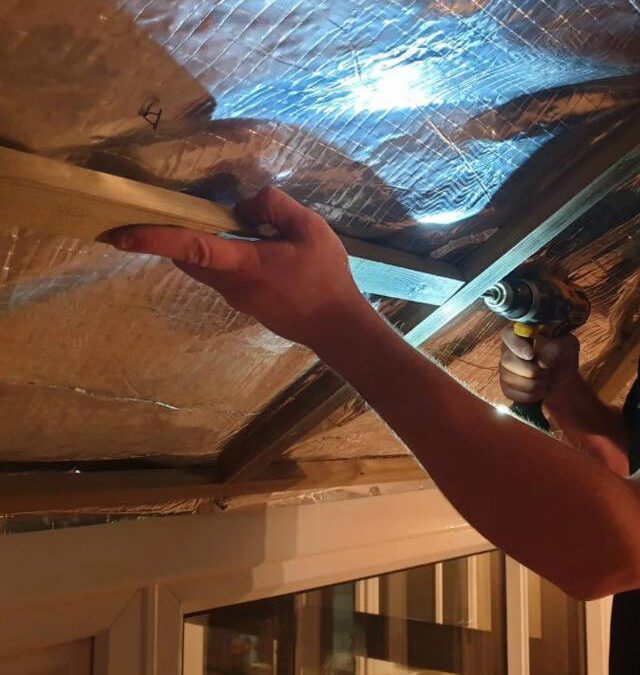
Introduction to Loft Insulation and the Need for Superior Solutions
Hot air rises in cold temperatures, and one area where many homes suffer drafts and heat loss is the loft void – a core space for insulation. This is because the heat generated from below rises and escapes upstairs through poorly insulated or uninsulated lofts. Loft insulation is a real investment in the home because an inadequately insulated loft can waste energy and higher heating costs. In the average house, the price of a proper insulation installation pays itself through savings on utility bills in four short years. There are, however, many loft insulation products on the market, but most, particularly the cheaper rolls and fibrous materials, could result in cold-inducing draughts – thereby causing more damage than harm. This makes it more critical than ever to find reliable loft insulation solutions.
Breathing, which releases cool air to encourage the more relaxed loft void to move hot air upwards towards the house into a traditional roll and fibrous insulations, can result in notable drafts. For the whole building, this is an inefficient heating strategy. SuperQuilt loft insulation does not need to be breathable to leave an air pocket between itself and the existing plasterboard vapour control barrier. It can benefit from a hot air layer without needing breathable walls. Most importantly, it has also been assessed as a vapour control route, producing the lowest possible material temperature on the pitch side of your acquisition. A 40mm or up to 85mm SuperQuilt application can achieve up to R4.0.
Understanding the Technology Behind SuperQuilt Insulation
The technology and construction behind SuperQuilt is a unique blend of materials, such as laminates, which were developed to help insulation be more effective in today's strict energy regulation environment. This includes 19 layers of actual aluminium, a polyethene air-gap membrane with several foams and woven fibre layers designed to reduce heat transmittance in all three forms: conduction, convection air currents, and radiation between objects. This makes SuperQuilt even more versatile than traditional insulation due to its multiple ways of preventing heat from escaping through the structure. Our high emittance layers on the outside will also protect the building from heat moving into the home, making it the best option historically for insulation performance, coupled with a light, easy-to-install, 2-in-1 solution. The SuperQuilt safe membrane gives extra strength to the SuperQuilt loft insulation, allowing it to be fitted in occupied spaces, between and below rafters, to be stapled securely to the rafters, and to provide added resistance to airflow, with the necessary quilting matrix to stop the foam core from crushing and closing the air gaps. This also makes it entirely resistant for up to 15 years against water and moisture, even after it has been lab-certified to give an initial performance of 25 years, preventing strength damage or the risk of droughts. This is dramatically different from open fibres that allow air currents to pass through, offering little to no thermal insulation and letting valuable energy leave your home at an increased rate. Oil, gas, and electricity prices are increasing yearly, making investing in a meaningful and effective solution for your loft utterly essential. The 1mm aluminium surfaces are engineered to be very strong and 100% UV resistant, suffering no degradation if left outside between rafters. The exterior surfaces play a significant role in allowing SuperQuilt to reflect radiation, up to 97%, reducing energy running costs and likely increasing the price and speed of a property sale, as this is what nearly every home buyer or estate agent is interested in when investing. This working principle will remain for 25+ years, protecting the size of your investment for a very long period.
Comparative Analysis: SuperQuilt vs. Traditional Insulation Materials
R-Value Although traditional loft insulation materials like spray foam can provide some soundproofing, they are draft-prone and must often be supplemented with conventional insulation material like fibreglass. By contrast, SuperQuilt is well known for its superior insulating properties. It offers an R-value reflective of century-old stone and brick walls, which are much more effective at maintaining interior temperatures than contemporary insulation materials. Moisture Management SuperQuilt, along with multifoil loft insulation in general, is also known for preventing drafts, a common problem with traditional draft-prone materials. Installation Over time, the installation of conventional insulation materials can increase because of settling and additional materials needed for remodelling or adding onto a building. SuperQuilt is thin enough to be installed in smaller cavities, providing more options during installation and decreasing upfront costs. Cost and Maintenance While SuperQuilt is cheaper in the long run because of its insulation and draft-proofing capabilities, traditional insulation materials often allow an excessive amount of heat to transfer, increasing energy costs and decreasing the lifespan of HVAC systems. This makes traditional insulation more expensive in the long run. Energy Efficiency While SuperQuilt is cheaper in the long run because of its insulation and draft-proofing capabilities, conventional insulation materials often allow an excessive amount of heat to transfer, increasing energy costs and decreasing the lifespan of HVAC systems. This makes traditional insulation more expensive in the long run. Installing multifoil insulation also decreases greenhouse gases, which helps reduce overall energy costs. Conclusion: Overall, SuperQuilt provided the most insulation power, which extended to draft protection. It also significantly decreased overall energy costs and environmental impact.
Case Studies and Real-Life Applications of SuperQuilt Insulation
Case Study 1: Nick, Sheffield
Historical homes make charming living arrangements, but the draft accompanying such buildings could be more comfortable. When Sheffield resident Nick moved into a Victorian terraced townhouse dating back to the 1880s, he realized that his initial renovation focus needed to shift from purely visual elements to making the property more energy efficient. The outdated central heating system had to be demolished; the rooftop needed replacing, and the old polystyrene insulation would require replacement to address the discomfort from cold drafts and high energy bills due to heat loss. For insulation, Nick turned his attention to reflective surfaces as part of the multifoil insulation movement, choosing quick-fit insulation for a skillion-pitched roof and lower-quality temporary insulation for the higher, taller roof region. The difference between the two has been notable. Upstairs, the combination of poor insulation and a tall roof makes the area uncomfortable to work in, even with the heater on. It's a different story downstairs, where quick-fit, high-performance multifoil insulation is found. Even though no extra radiator has been added to the extension, the temperature variance is less noticeable than in the flat roof bedroom, so the property owner plans to add a gearbox to moderate the temperature even more. Once finished, Nick estimates his new roof insulation could save £500 a year on his energy bill.
Case Study 2: Lisa, Wetherby
Lisa's 1960s-built home needed a new kitchen and fresh insulation. While the latter was deemed more pressing, it was also more of a challenge. The original owner insulated the flat roofs but did not have needed to have energy efficiency in mind. Lisa recalls home visits during the purchase and sale of her house, describing loft insulation that began to 'puddle and sag' on the ground, regardless of the tacks applied, since the jute material tended to pull away. Like many other customers, Lisa spent months converting her new kitchen into an office, using the loft as the main layout point. When she added the multifoil quilt air roof insulation, the newly finished office space was a stark contrast in warmth. These new insulating products have made the cold kitchen conversion much warmer than just a few weeks ago.
Case Study 3: Chris, Leeds
Another valued product user is Chris, a Leeds homeowner who experienced problems in his previous residence. Given the original insulation, Chris was most concerned about the loft conversion, which the loft conversion related to the property's heat loss and energy bills. He said the home was uncomfortably cold due to the added space. His solution? After some research, while refurbishing the entire top floor, Chris elected to go for SuperQuilt insulation – the outcome is detailed below. The benefits, in his opinion, speak for themselves. "From the very first night, the room was noticeably warmer. So much so that my wife said she felt as if she had turned off the chilly air that was permanently on before the additional insulated boarded wall was installed."
Future Prospects and Innovations in Loft Insulation Technology
In the preliminary discussion, we have detailed the latest insulation market trends and the emergence of dynamic technologies. Hence, the market has traction that has been amassed by several innovative upgrades for further advancements in the field of loft insulation. In this regard, the industry scope has been projected to be bright in designing new insulation solutions in the form of intelligent materials. Moreover, some intelligent products are enveloping the market total of fire because of their high-performance attributes. One such role model of future trends offers several competitive advantages compared to the widely used and bulky mineral wool and glass wool. Besides, it is entirely free from the harmful emissions of glass scales and wool fibres. Dense technologies are also elucidated; for example, building insulation with a blend of reflective bubble materials is known to have higher thermal resistance due to the reduced infiltration of air in comparison to fibrous or open-celled materials.
The future prospects in the field of loft insulation are either to enhance the performance of the conventional insulation systems or to work on making them more sustainable, that is, tapping the multifunctional or innovative materials to increase the efficiency of the existing systems. We need to deviate from the alternate bulky aggregate draft-prone insulations like fibrous materials, and more research has to be done on the application of innovative materials that are supposed to have a high insulation sheen in the future. The field of innovative materials is relatively nascent and still growing. These materials are designed to spread utmost value when they cannot be noticed. Advanced insulation systems are impossible to see while they provide ultra-high efficiency. There are promising advancements to watch out for when using insulation technology. The phrase 'That's the future' has a buzz in the industry. The interconnection of worldwide technologies with combined insulation materials contributes to a game changer in the global sector. Furthermore, in contemplation of the environment, all properties and systems aimed at research in the future encompass the unanimous efforts to maintain ecological balance and sustainability. When made compatible, intelligent materials in the field of insulation will help be cost-effective and simple-to-integrate methods for keeping us warm in a brown environment.
Energy Loft Insulation helping families with installing SuperQuilt
Energy Loft Insulation is a community initiative planning to assist families, including those from ECO areas, with installations of SuperQuilt insulation. Its ultimate aim is to encourage as many people as possible to think about their home's energy efficiency and whether they could save money on their heating bills by improving their homes with adequate insulation. Energy Loft Insulation aims to help families reduce the cost of heating their homes and try to keep their homes warmer for a lower price by increasing energy efficiency. This could reduce fuel poverty and enable people to spend more of their income on other things, including leisure and spending money in their local economy. Considering the additional insulation products that have already been installed, fitting SuperQuilt should reduce your fuel bill.