
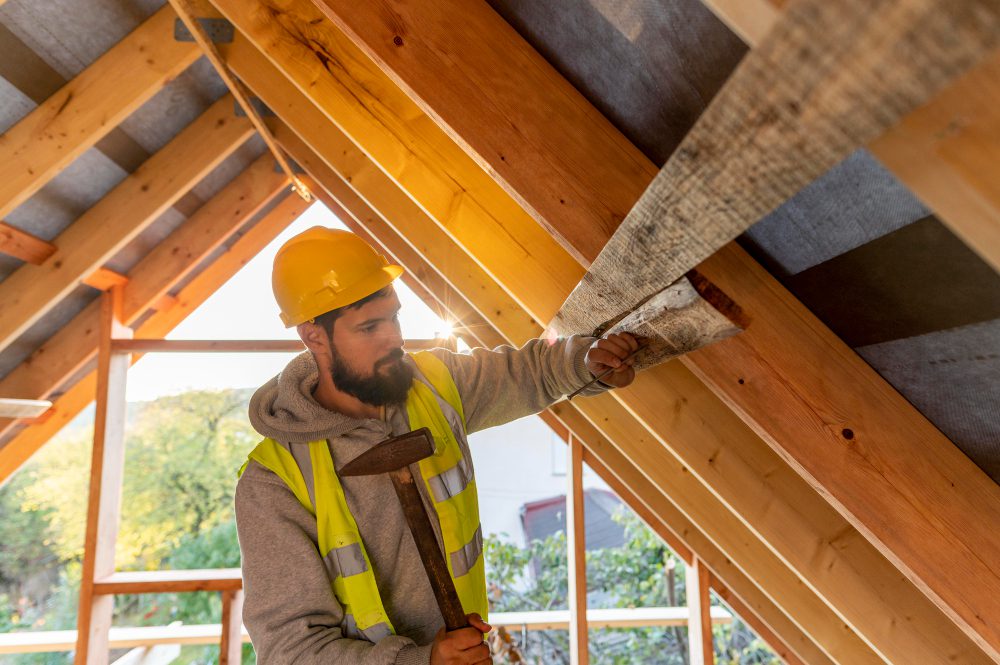
Introduction to Loft Insulation and its Importance
Loft insulation is a fundamental part of home construction, aimed at enabling energy efficiency. Insulating the loft floor can create a thermal barrier between the house interior and the attic space. This, in turn, prevents the escape of convected and conducted indoor heat to the surroundings and the loft space, respectively. Proper loft insulation helps to save up to 25% of energy required to heat homes. This not only saves energy but also makes the home more comfortable by stopping heat escapes, reducing heat loss, and cutting down on heat entering from the loft space. Reducing heat loss also decreases the burning of fuel, meaning lower carbon emissions, and can also help reduce structural decay in the house.
Energy efficiency and emission control are issues increasingly raised in modern construction due to the increased awareness of hazardous factors of climate change. One of the principal approaches to having effective action against climate change is to reduce the emission of greenhouse gases, which is linked with the reduction of energy consumption. Thermal insulation is, therefore, an important component in the construction and running of a building. The impact of ceiling insulation on space heating has been widely studied. Heating costs can be reduced by around 10% to 15% with energy savings of about 0.80 petajoules per year in a low to moderate heating climate and 1.2 to 1.5 gigajoules in very cold climates.
A variety of materials are available for insulation, but the performance and application of all materials are not always the same. Common materials used for a loft are glass wool, mineral fibers, loose fill materials, roll products, slabs, and rigid insulating boards, as well as a multi-foil insulation. Building regulations have set the basic standard U-value requirement for a loft in a warm deck condition as 0.16 W/m²K, and in cold deck conditions, it is 0.11 W/m²K. Additionally, multiple guidelines are available to help create durable, low heat loss, and energy-efficient attics. In this guideline, we will understand the limitations of traditionally used and available solutions and understand the advantages of an innovative multi-foil material and how it creates a revolution in traditional insulation methods.
SuperQuilt: An Innovative Solution for Superior Thermal Performance
Your loft space is an incredibly important area when it comes to ensuring an energy-efficient home. If your insulation isn’t up to standard, untold amounts of warmth will escape your property, significantly upping your emissions. This will also add a hefty chunk to your energy bills. That’s where SuperQuilt comes in. Developed to transform the performance of insulation in standard size loft spaces, this multi-layer product is taking the market by storm.
The first difference between SuperQuilt and standard types of insulation is its composition. Unlike most insulation, which is made from a single layer of absorbent or fibrous material, SuperQuilt is a high-tech multi-layer solution in itself. Drawing on eight different layers, each of which is designed to prevent drying out, making it resistant to blistering and tears. This product is made up of reflective sheet material and two layers of wadding, one on either side of the reflective insulation material.
Revolutionising Loft Insulation with SuperQuilt in Yorkshire
This space-age solution is extraordinarily efficient, ensuring as little as possible of your warmth is able to transpire through the roof of your loft. Significantly reducing the level of heat that is lost, this product instantly enhances the energy efficiency of your property. By so doing, it also helps to lessen the impact of climate change. This impressive draw on your roof space also comes with added insulation benefits. In addition to creating a barrier to heat loss, SuperQuilt also acts against the flow of energy. This means you can enjoy a much cooler living area during the summer months when your loft space can culminate in intense heat. Developed as the sustainable solution, SuperQuilt uniquely maximizes technology and ingenuity to create a product that is as smart as it is efficient. Carefully designed to have minimal environmental impact, SuperQuilt is also fully CFC-free, which means it has no harmful chemicals. If any waste is produced in the laying of our product, it can be fully recycled. In addition, the multipurpose nature of this product means that it has a much longer lifespan than traditional loft insulation. Indeed, with effective installation, SuperQuilt can last a lifetime and eradicate wasted resources and unnecessary waste caused by more traditional products at greater risk of inefficiency. This means that we can make a significant contribution to sustainable building practices. It is the high-tech nature of this multi-layer test construction that gives SuperQuilt not only its unrivaled thermal efficiency but also its draw on the market. Isolation is a science, not an art, and the performance of a product, along with the advice of others, is supported by scientifically collected and reviewed data. Test data indicates that SuperQuilt not only meets the performance claims made, but also exceeds the standards required. SuperQuilt is also currently the only product to be awarded certification under four different systems. In addition to gaining professional recommendations, it must also be accountable and only recommend because, in the performance of the product itself, it exceeds quality complete loft insulation. There are common misconceptions and misunderstandings concerning the function or parasitic conduct of modern insulation materials. However, the modern method of insulation and the use of reflective surfaces is endorsed by agencies and trusts.
Installation Techniques and Best Practices
Installation is really important for the performance of loft insulation. We recommend that you check the condition of your roof beforehand, and it should be in relatively good repair. This is due to the fact that once insulation is installed, you cannot check the condition of the timbers and repair them underneath it. We can offer general guidance throughout your loft installation on maintaining your roof timbers, but we are equally happy to offer no advice to support a two-stage installation, which you complete after you have had a roof inspection by a qualified company.
Insulation now sits over 40 mm below the roof under construction in the beams, rendering it impossible to condense onto the roof felt. The only potential risk is cold bridging at the fixing rails, which is alleviated if 80 mm insulation, double cell 40 mm, or similar is installed across the top of the rails. On new roof builds, you can simply slide insulation between your hips and ridge, and if placed at the right height, the cold bridge from the portal hip does not impact your energy efficiency. When preparing the roof, you must ensure that it is clean, dry, and free from debris. Furthermore, you should ensure that the roof has a good level of ventilation to avoid condensation problems due to the airtight nature of the insulation. When installing insulation, customer safety is of the utmost priority, and we therefore recommend the use of appropriate personal protective equipment. No pollutants are used during manufacture.
Comparative Analysis: SuperQuilt vs. Traditional Loft Insulation Materials
Performance and Value of SuperQuilt Composite Insulation vs. Traditional Loft Insulation Materials: Unlike most other high street insulation options, SuperQuilt is the ultimate in thermal efficiency, outperforming all traditional loft insulation materials by a considerable margin. While the R-value of insulation materials can tell you the thermal retention of each material itself, it often reflects poorly on the internal climate buffering that such materials provide. The faster that heat can pass through insulation (creating little to no internal climate buffering), the quicker the internal environment of insulation will be able to reach the external temperature. Older conventional materials such as fiberglass, wool, or loose fill materials will not only store moisture hitting the insulation in an internal buffered layer of clouds between their fibers, but also saturate until they cannot functionally provide a domestic thermal layer of insulation between the joists.
SuperQuilt’s unique laminated layer of Thermawadding turns any loft into a space-saving premium wall installation in just a single layer between the joists, with all other layers being added above the joists. No need for multiple rolls and/or foils or any extra layers to reach R-values required by building regulations, as is the case with traditional insulation materials. With more efficient and well-engineered polymer and aluminum barrier foams like SuperQuilt, an internal climate buffer is created. The higher the thermal resistance (R-value) of SuperQuilt compared to traditional loft insulation materials (vapor permeable) is reflected in the R-value of a doorway in an external wall vs. glazing. Note that although polyisobutylene foam does have its doors and glazing door counterparts, just like all insulation materials, a premium insulated property will, for example, typically have a SuperQuilt composite door in the outer wall with complementing double glazing units, further increasing the overall thermal efficiency of the door.
SuperQuilt and EcoQuilt’s Hide The Dip Test: The R-value (as well as thermal retention and taking longer to break) of SuperQuilt outperforms traditional insulation and can hide the dip seen almost completely. This helps to create a sustainably snug warm loft and warmer property with over two-thirds of air space in the loft under tension being an added insulant of its own. By dramatically increasing the R-value internally (edging closer to the thermal resistance of most double glazing), SuperQuilt in the loft is by far the easiest place to help insulate (after switching to LED lighting, of course). Does it save on heating costs? When you add up the savings made over 3, 5, 10, and 20 years? Absolutely. Not every loft insulation will reduce your heating bill. It is extremely important to not only invest in insulation that holds R-value, but also for the building material on top to have a hard reference U-value in the right direction as well.
Case Studies and Testimonials from Yorkshire Lofts
Case studies from Yorkshire Lofts that succeeded in insulating their lofts with SuperQuilt. This is the very best reference we can give you, words from Yorkshire Loft customers based all over Yorkshire.
Mrs. Holmes and Mrs. Rush from Leeds: “Very happy with the product – it has certainly dropped the cold. We don’t need our radiator on in the bedroom anymore. Thank you.”
The Copley family in Bradford: “We wanted to let you know how pleased we are with the insulation product in our loft. We were amazed at the immediate difference it made, and are enjoying our warmer house already!”
Mr. and Mrs. McCormick from Mirfield: “We have had our Quilt installed for around three weeks now. We’ve certainly noticed the difference in our hairdryer usage – it’s not blowing out cold air into the room anymore! Thank you for helping us make our home more efficient.”
Fact: We layered Quilt over our existing insulation, saving money in clearing the original insulation, landfill, and the insurance protection of re-insulating over asthma irritant.
Challenges: Installed in a bungalow conversion property. The loft was made up of thick ceiling joists overlapping each other with only a small crawl space in between. Approximately 4,000 square meters guessed total.
Feedback: Energy Loft Insulation was a little challenging as it was hard to lay it flat on top of the existing insulation as per fitting guidelines. This did not affect the actual performance as the thickness depth is irrelevant when measuring resistance / R-value. The property was extremely warmer upstairs; in fact, a well-known local estate agent was invited to feel the temperature and was amazed at the increase. The homeowner also used the opportunity to allow the estate agent to provide a rough estimate of the property value before and after installation and shared this information with us. Although the storage cold water tank was situated within the roof space, this additional thermal efficiency provided no negative effects on the equipment below. The water temperature measured on the cold tank had dropped by 0.8 degrees Celsius. Further feedback is that the property also has huge expanses of glass, and although these large windows are not double or triple glazed, this expensive property has realized that the solar gain from the sun through the large glass areas has now created increased warmth to the extent that curtains have been permanently closed to block out the additional warmth. This in itself has a double effect: not only a saving on heat loss, it has also increased the normal light bulb hours of use, thus saving energy and reducing the electricity bill. The client is more than satisfied with the product and is 100% satisfied with her investment! This is the largest bungalow in Wakefield and sold for £500,000.